
Regular physical activity changes how the body functions on several levels: hormonal regulation, sleep quality and cognitive abilities. The WHO reminds us that every bit of activity counts and that some movement is better than none. Sport transforms everyday life not just through performance, but through the accumulation of small physiological changes that produce measurable effects on well-being over several weeks.
Sedentary behavior and physical inactivity: two distinct issues to address separately
Going for a run in the morning does not make up for spending eight hours straight sitting in front of a screen. Physical inactivity and sedentary behavior are not the same thing: the former refers to insufficient exercise, while the latter describes time spent sitting or lying down while awake. Addressing one without tackling the other is not enough to reduce health risks.
For someone who works sitting down, the key is to regularly break up long periods without movement. Standing up every thirty to forty-five minutes, walking during a phone call, taking the stairs: these actions do not replace a workout, but they reduce sedentary time, which is an independent risk factor. Resources such as https://www.yadusport.com can help identify activities suited to each person, including those getting started after a long period of inactivity.
This distinction also matters when it comes to recommendations: the WHO does not necessarily call for long gym sessions. Walking for transport, cycling to work or gardening all count. Every minute of movement brings benefits, even when spread throughout the day.
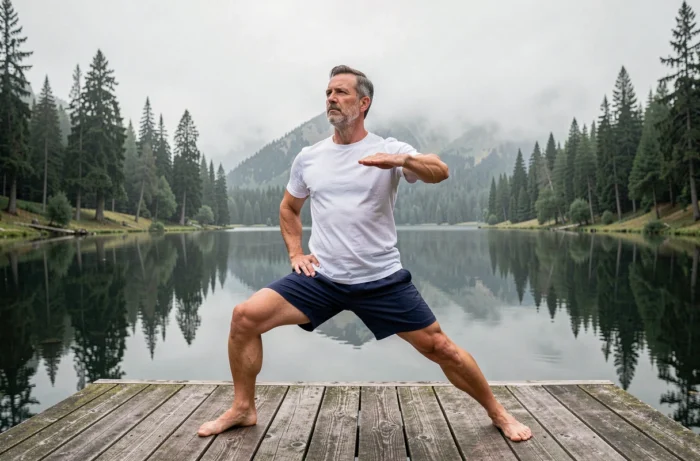
Sleep and cognitive function: some of the less visible benefits of sport
Articles about the benefits of sport often focus on stress management and the prevention of chronic diseases. Two aspects of everyday life receive less attention: sleep and cognition.
Sleep quality and physical activity
Regular exercise helps people fall asleep and improves the depth of their sleep cycles. This improvement does not result from a single mechanism, but from a combination of muscle fatigue, regulation of body temperature toward the end of the day and reduced anxiety. For people who sleep poorly, moderate activity several hours before bedtime often delivers better results than dietary changes alone.
Cognitive health in adults and older people
The WHO links physical activity in adults and older people to improved cognitive health. Exercise stimulates brain plasticity and working memory. Daily walking, for example, engages spatial awareness, real-time decision-making and balance—three functions that decline with age if they are not exercised.
These effects do not require intense exercise. Light endurance activity, repeated several times a week, is enough to produce noticeable changes in concentration and mental fatigue at work.
Adapted physical activity: a care pathway for chronic conditions
Recommending the same exercise routine to a healthy person and someone living with a chronic condition (diabetes, heart disease or a musculoskeletal disorder) means ignoring each person’s real-world limitations. In France, public policy is moving toward personalized support through Maisons Sport-Santé.
These centers, described in particular by the Île-de-France Regional Health Agency (ARS), welcome people with chronic conditions or loss of independence. The pathway includes an assessment of physical abilities, referral to adapted physical activity sessions and ongoing follow-up. The goal is not performance, but maintaining or regaining functional abilities.
- The initial assessment evaluates cardiovascular fitness, joint flexibility and balance to recommend an activity that does not create additional risks.
- Sessions are supervised by professionals trained in adapted physical activity, who can adjust the intensity as the condition changes.
- Regular follow-up makes it possible to adapt the program if a person’s health changes, setting this approach apart from a standard gym membership.
For someone with type 2 diabetes, for example, regular physical activity helps regulate insulin and reduce systemic inflammation. However, the type, frequency and intensity of exercise should be determined with a healthcare professional. Tailored exercise reduces the risk of dropping out or getting injured.

Making exercise sustainable: what makes the difference over the long term
Most people who start exercising give it up within the first few months. The problem is almost never a lack of initial motivation, but the absence of a routine that fits into everyday life.
Three strategies make it more likely that people will stick with exercise over time:
- Build movement into existing habits rather than adding a new obligation. Cycling to work, getting off the subway one stop early or walking after lunch takes less planning than scheduling a workout.
- Vary activities to avoid boredom and work different muscle groups. Alternating brisk walking, swimming and bodyweight strength training keeps things interesting and reduces the risk of overuse injuries.
- Set specific benchmarks rather than abstract goals. “Walk for twenty minutes every day after dinner” works better than “exercise more.”
Consistency matters more than intensity. Three moderate sessions a week produce more lasting health benefits than one intense workout followed by ten days of inactivity. The body adapts gradually, and this ongoing adaptation is what transforms everyday life: better sleep, steadier energy throughout the day and greater resilience to stress.
Sport is not just a one-off effort or a generic prescription. Whether the goal is to reduce time spent sitting, improve cognitive function or follow a program tailored to a health condition, results depend on how well the chosen activity fits the realities and demands of everyday life.