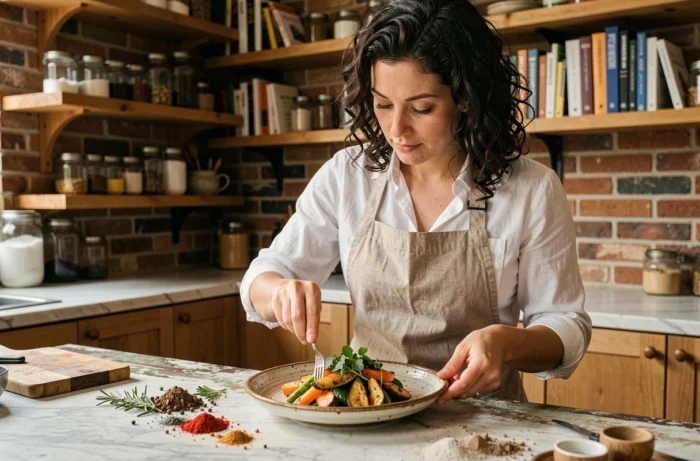
A cauliflower starting to develop spots on the market stall, a bunch of coriander bought for just one recipe, the last of a jar of wholegrain mustard: the most inventive dishes often begin with these very real leftovers. Food news—whether it covers local supply chains, food policy reforms or new ways to cook an everyday ingredient—can provide a direct spark for breaking out of a rut. The key is knowing how to turn information into action in the kitchen.
Fresh produce and fear of waste: cooking according to ripeness
We sometimes hesitate to buy fresh fruit and vegetables because we worry we won’t use them in time. This habit, documented by several recent surveys, leads people to fall back on processed or frozen products, at the expense of variety in the kitchen.
The solution comes down to one habit: adapt the recipe to the produce’s stage of ripeness, not the other way around. A firm tomato can be roasted with olive oil and thyme. Two days later, once it’s softened, it can become the base for a raw sauce blended with basil and a dash of vinegar.
You can see this approach in Une Fille en Cuisine’s news, where recipes regularly start with an ingredient that needs using up rather than an ideal list of ingredients. The principle is simple: see what you have, then decide.
- Wilted leafy greens (spinach, Swiss chard): sauté them over high heat with garlic, then add them to an omelet or a quick gratin.
- Overripe fruit (bananas, peaches, pears): mash it into pancake batter with no added sugar, or quickly cook it into a compote with a spice such as cinnamon or cardamom.
- Extra fresh herbs: blend them with olive oil and salt to make a green herb oil that keeps for several days in the refrigerator.
This approach reduces waste, but it also introduces textures and flavors you might not have sought out otherwise. An overripe melon makes a sweet-and-savory gazpacho that a perfectly ripe melon would never have inspired.
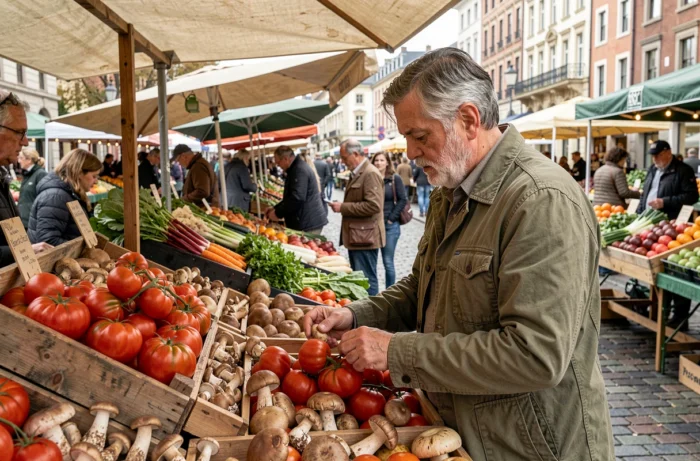
Ingredient sourcing in institutional catering: what it means for our kitchens
A recent decree strengthens the monitoring of the origin of products used in public school cafeterias. A preference for French or European products is now officially established for procurement.
This trend extends beyond school cafeterias. When local authorities publish their commitments, local supply chains become more visible to the general public. People discover that a lentil or squash producer is nearby and adjust their shopping accordingly.
For everyday cooking, the practical step is simple: check the origin on the label, choose a clearly identified seasonal product over a generic vegetable, and use it as the starting point for a recipe. Local goat’s cheese calls for a different dish than mass-produced cheese. The former needs nothing more than a warm slice of toast with honey and walnuts. The latter needs to be melted into a gratin to shine.
On-the-ground limitations
Implementation remains uneven across regions. Some rural areas have well-established short supply chains, while others do not yet have them. Access to local products also varies depending on the size of the town and whether it has a regular market. Regulatory news provides a framework, but what makes it onto the plate depends on the local landscape.
Meal vouchers at supermarkets: shopping that shapes recipes
Members of Parliament have voted on a bill aimed at making the use of meal vouchers at supermarkets permanent. The bill still needs to be reviewed by the Senate, but if it passes, the measure will strengthen the link between meals and everyday grocery shopping.
In practice, being able to pay for groceries with a meal voucher changes what’s in the basket. Instead of grabbing a sandwich in a hurry, you can buy basic ingredients to cook with that evening. A fresh mackerel fillet, a bag of basmati rice and a lemon cost less than a ready-made meal, and the result on the plate is in a different league.
This shift also changes how we think about time. Cooking with groceries bought on a tight budget encourages us to look for quick recipes with few ingredients. These are the constraints that bring out creativity.
- An egg, stale bread and grated cheese make a croque madame in under ten minutes.
- Red lentils, an onion and a can of chopped tomatoes make a nourishing dhal for two meals.
- A bag of pasta, a zucchini and leftover crème fraîche are enough for a complete meal if you add Parmesan and pepper.
Creative recipes: start with a constraint rather than a craving
Most recipe websites work backwards: you choose a dish, then buy what you need. The most useful food news turns this approach on its head. It starts with a fact—a seasonal ingredient in abundance, a reform that changes shopping habits, or a local supply chain brought into the spotlight—and suggests dishes that follow from it.
This method produces tastier results because it respects the ingredient. Cooking a seasonal turnip when it’s full of natural sugars gives you a result that’s incomparable to an imported, out-of-season turnip. Simply glaze it with butter and honey, and it makes a perfect side dish on its own.
Culinary news then serves as an informal calendar. When you read that a French saffron grower is starting the harvest, you think risotto. When you hear that sea bass season has opened on the Atlantic coast, you get out the plancha. The link between information and what’s on your plate becomes direct.
Following food trends and news from the food world is more than passive curiosity. Every piece of information that makes its way into the kitchen—whether it’s a local ingredient that’s available, a budget constraint or a vegetable that needs using before it spoils—becomes the starting point for a dish you might never have imagined otherwise.